
Packaging Is the Only Part of the Product That Every Department Touches
Packaging is the one part of the product every department touches — design, operations, finance and sales. Why that makes it a coordination problem, not a purchasing one.
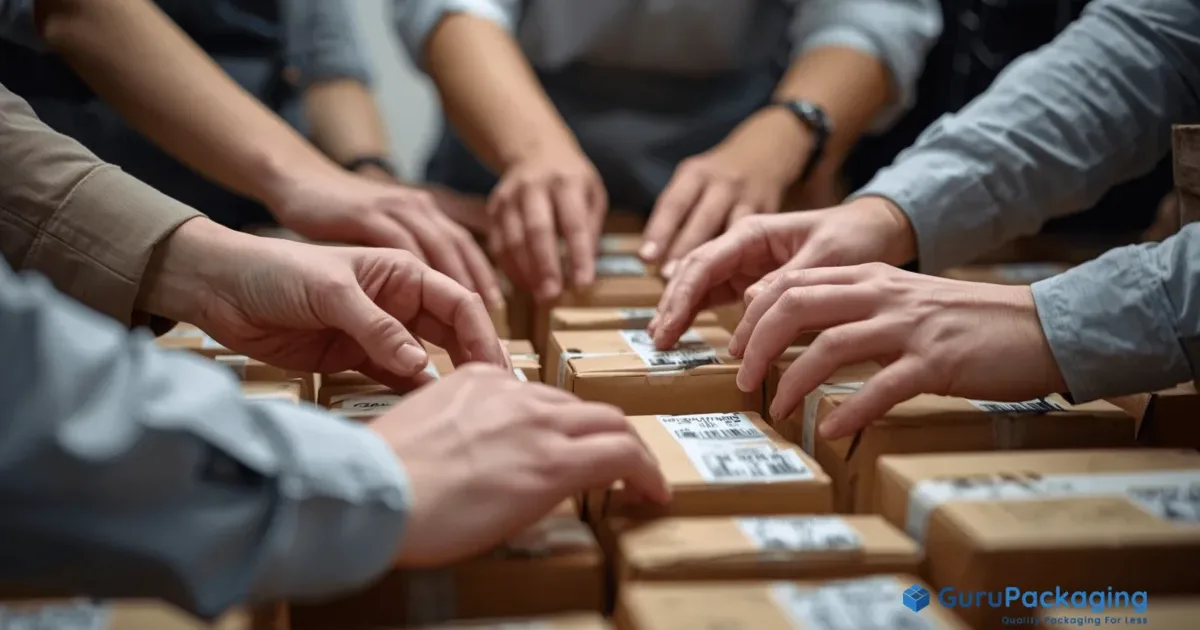
In most businesses, departments operate independently.
Production focuses on creating the product.
Operations focus on handling it.
Logistics focus on delivering it.
But there is one element that moves through all of them—packaging.
From the moment a product is ready to the moment it reaches the customer, packaging becomes part of every step. Businesses using structured formats like rigid box packaging solutions often realize early that packaging is not just a finishing layer—it is a core part of packaging integration in business operations.
Packaging Begins Where Production Ends
Once a product is completed, it cannot move forward without packaging.
At this stage, packaging must:
- match production output
- protect the product
- maintain consistency
If packaging is not aligned with production speed, delays begin immediately.
This is where how packaging connects business departments becomes visible. Production does not end with the product—it ends when the product is ready to move forward efficiently.
Packaging Shapes Workflow Across Teams
Packaging directly influences how work flows through different departments.
In warehouse operations, packaging affects:
- packing speed
- storage organization
- handling efficiency
This creates a direct impact on packaging workflow alignment and overall system performance.
When packaging is not optimized, even well-managed teams experience slowdowns.
As packaging starts connecting multiple departments, small inefficiencies become more visible under pressure. This becomes even more noticeable at scale, where packaging that once worked smoothly begins to create delays and inconsistencies. We explored this in detail in our earlier discussion on how packaging that works at small scale can fail at higher volume, especially when operations are not aligned.
Packaging in Logistics and Fulfillment
As products move into shipping, packaging becomes even more critical.
Delivery performance depends on:
- structure
- size consistency
- handling strength
Businesses using flexible formats like flexible poly bag packaging often notice how packaging decisions directly impact shipping costs and speed.
This is where packaging impact on logistics becomes a key operational factor.
Department-Level Impact
| Department | Packaging Impact |
|---|---|
| Production | Output flow and consistency |
| Warehouse | Packing and storage efficiency |
| Logistics | Shipping safety and cost |
| Customer Service | Returns and complaints |
| Marketing | First impression and brand perception |
This highlights the growing role of packaging in supply chain management USA.
Packaging Influences Customer Experience First
Before a customer sees the product, they experience the packaging.
Packaging affects:
- perceived product value
- brand trust
- unboxing experience
If packaging fails:
- products arrive damaged
- customer satisfaction drops
- return rates increase
This shows how packaging is not just operational—it is part of customer experience strategy.
Structural Stability
As businesses grow, packaging needs to become more structured and consistent.
Solutions like shipping box packaging systems help improve:
- stacking stability
- product protection
- handling efficiency
This supports better packaging system efficiency across departments.
Packaging Is Not Owned by One Team
A common mistake is assigning packaging responsibility to a single department.
In reality:
- production depends on it
- warehouse depends on it
- logistics depends on it
- customers judge it
This makes packaging a packaging coordination across teams challenge rather than a single function.
When Packaging Works, Everything Works
A well-integrated packaging system:
- improves speed
- reduces errors
- supports scaling
- enhances customer experience
This is where packaging driven operations start delivering real results.
Final Thoughts
Packaging is often treated as the last step in the process.
In reality, it is the only element that connects every department across the business.
For growing businesses in the USA, packaging is no longer just about protection—it is about coordination, efficiency, and long-term scalability.
Contact Us
If your packaging setup is creating gaps between teams, slowing workflows, or affecting delivery consistency, it may be time to rethink how packaging fits into your operations.
Connect with Guru Packaging to build packaging systems designed for smoother coordination, stronger performance, and scalable growth.